Aeration Aftercare in Spartanburg, SC: Exactly What to Do in the 7 Days After Core Aeration
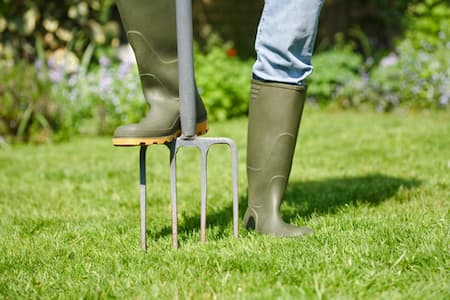
You just invested in core aeration, the single best step to open up our Upstate clay and help roots breathe. Now the next week matters. Follow this simple plan tailored for Spartanburg, SC so your lawn heals fast and fills in thick. If you still need professional help, our core aeration service is designed to pair perfectly with this schedule.
For deeper background on why we aerate and how it helps local soils, see our quick read on the process here: the aeration process: why your lawn might need it. Or, if you are comparing options for lawn aeration in Spartanburg, SC, our team at Longleaf Turf Pros is happy to guide you.
Why Aeration Aftercare Matters In Spartanburg’s Climate
Our area sees hot, humid summers, quick pop-up storms, and heavy red clay that compacts under foot traffic. Aeration punches thousands of channels so water and oxygen can get to the root zone. The first seven days determine how well those holes do their job. Light, well-timed irrigation helps soil settle, mowing timing protects new root action, and smart nutrition drives recovery without stressing turf.
Local tip: Early morning watering is best for Spartanburg lawns because it reduces evaporation and disease pressure. If our local utility issues watering advisories, adjust to the allowed hours and keep cycles short so water soaks rather than runs off.
Your 7‑Day Aeration Aftercare Plan
Day 0–1: Water Gently To Set The Cores
The goal today is moisture, not puddles. Give the lawn a light, even drink the morning after service so the top few inches stay damp. This helps soil crumble off the plugs and settle into the holes. Avoid walking the yard while it’s soft. Do not run long cycles that leave standing water; saturated soil can collapse holes and invite disease.
Day 2: First Mow, Only If The Ground Is Firm
Check the lawn. If footprints don’t sink and the surface feels firm, mow at your normal height. Keep blades sharp and bag only if loose soil clumps on top. If soil is still tacky, wait one more day. Never mow when the soil is wet; it compacts the very channels you just paid to create.
Day 3–4: Light Traffic And Edging Care
Use walkways where you can. Postpone edging, heavy carts, and backyard games for two more days. Those open channels are fragile at first. By mid‑week, plugs start breaking down and the turf stands more upright. A gentle rinse in the morning helps any remaining cores melt into the canopy.
Day 5: Feed What The Roots Can Now Reach
With fresh pathways open, nutrients reach deeper. This is a great window to schedule a professional feeding. Our fertilization program is timed for Upstate growth patterns so nutrients go into grass, not runoff. Warm‑season lawns like bermuda or zoysia respond well now. For cool‑season tall fescue, many homes in shaded Spartanburg neighborhoods benefit most from feeding tied to early fall recovery.
Day 6–7: Weed Strategy And A Quick Checkup
If you’re on a weed control plan, let your provider confirm timing. Some post‑emergents need intact leaf surfaces, and it’s wise to space them a few days from heavy fertilization. Walk the yard and note any thin, compacted lanes along driveways or play areas. These “traffic stripes” are prime spots for a follow‑up touch or, in fall, overseeding.
Watering Schedule That Works For Upstate Lawns
Water drives the win after aeration, but more is not always better. Give the lawn short, even cycles so moisture soaks into the aeration holes without runoff. Early morning is ideal because wind and heat are low and leaves dry quickly.
- First 48 hours: brief, even watering once a day to keep the top few inches moist.
- Remainder of week: return to your normal schedule, typically deep watering 2–3 days per week depending on rain and soil.
In neighborhoods like Converse Heights, Fernwood, or Hillbrook where trees shade parts of the yard, adjust by zone. Shady sections hold moisture longer than sunny bermuda strips along the street. Aim for consistent moisture, not constant wetness. If you see puddling or mushrooms, cut back and let the surface dry between cycles.
When To Mow After Core Aeration
Mow when the lawn is dry on the surface and the soil feels firm underfoot. Most Spartanburg lawns are ready on Day 2 or Day 3. Set height by grass type and season. Bermuda and zoysia prefer a lower cut during active growth, while tall fescue likes a taller canopy for shade and heat protection. Keep turns slow to avoid scuffing. If your mower leaves soil streaks, wait another day and try again.
Fertilizer And Seed Timing After Aeration
Aeration creates the perfect doorway for nutrients. A balanced, professionally applied feeding in the first week helps roots grow deeper. If you plan to seed, timing depends on grass type. Warm‑season lawns usually fill in from stolons and rhizomes once channels open, so seeding is not always needed now. Many Spartanburg homeowners overseed tall fescue in early fall when nights cool and soil is still warm. Pairing fall overseeding with fresh holes from a late‑season aeration gives seed direct contact with soil and better germination.
If you have questions about whether your yard should be fed now or reserved for the next scheduled visit, our team can review your lawn’s soil and grass type. The right choice keeps momentum without pushing growth that heat or shade can’t support.
Common Mistakes To Avoid This Week
- Running long evening water cycles that leave the lawn wet overnight.
- Mowing while the ground is still soft or the mower leaves ruts.
- Heavy foot traffic or parking a trailer on the lawn before channels stabilize.
- Stacking weed spray, fertilizer, and irrigation all on the same day.
What Results Should You Expect In Spartanburg, SC?
By the end of the first week, plugs crumble and disappear into the canopy. You’ll notice better color and fewer soggy spots after rain. Over the next few weeks, areas that once felt hard underfoot feel springier. On bermuda and zoysia, the lawn knits together and fills small gaps. In fescue, blades stand taller and the lawn takes on a fuller look. If a few compacted strips lag behind, it’s normal; they often need targeted attention or a seasonal tune‑up.
How Longleaf Turf Pros Protects Your Investment
Core aeration is most powerful when it is part of an annual plan. Longleaf Turf Pros builds a route for your yard that lines up with growth cycles, rainfall patterns, and the mix of grasses we see across Spartanburg. We keep records of where compaction shows up, the shade patterns that change with the seasons, and how your soil responds. That way each visit gets smarter.
Curious what happens behind the scenes or want a refresher on the service itself? This short explainer helps: the aeration process: why your lawn might need it. If your lawn would benefit from another pass or you are planning fall improvements, scheduling our aeration service before overseeding or feeding sets you up for the best results.
Ready For Thicker Grass? Let’s Lock In Your Results
You made the smart move with aeration. Keep the gains going with a precise plan that matches our Upstate climate. Call Longleaf Turf Pros at 864-541-3694 or book now to set up your next visit. For the fastest improvement, start here: professional aeration in Spartanburg.
CONTROL YOUR LAWN WITH OUR WEED CONTROL & FERTILIZATION EXPERTS IN SPARTANBURG COUNTY