Expert Lawn Renovation Tips for a Greener Yard in South Carolina
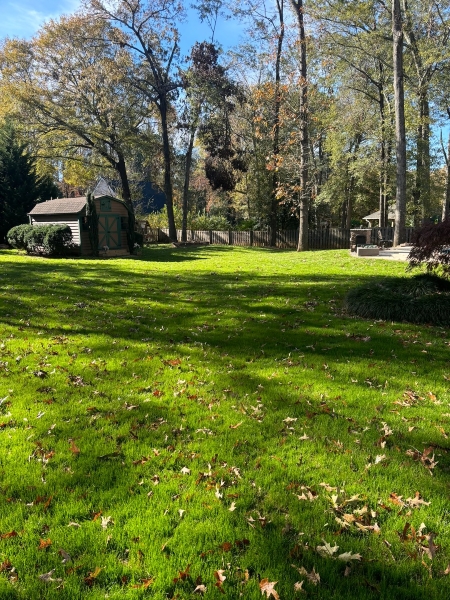
If bare spots, weeds, and hard clay are taking over your yard, professional lawn renovation in Spartanburg, SC can bring it back to life. Upstate weather swings, red clay soil, and a mix of cool- and warm-season grasses demand a precise plan from a trusted team like Longleaf Turf Pros. For a deeper look at what goes into a successful project, explore our lawn renovation service and see how a targeted approach restores color, thickness, and curb appeal.
Why Lawn Renovation Works In Spartanburg’s Climate
Spartanburg sits in the transition zone, where summers run hot and humid and winters stay cool. That means many homes grow tall fescue, bermuda, or zoysia, often with shady, tree-lined areas around Converse Heights, Duncan Park, and Wadsworth Hills. Renovation focuses on correcting the underlying issues that cause thinning: compaction from foot traffic, shallow roots in red clay, poor irrigation coverage, and weed pressure after long, hot spells.
When handled by a pro, renovation resets your lawn’s foundation. Core aeration opens space for oxygen and water. Dethatching removes the spongy layer that starves roots. Overseeding or sod installation fills thin areas with the right grass for each zone of your yard. The result is a thicker canopy that crowds out weeds and holds up better to heat and play.
Signs Your Yard Needs Professional Lawn Restoration
- Thin, open turf where soil is easy to see after mowing
- Compacted ground that feels hard underfoot, especially after rain
- Persistent weeds returning even after seasonal treatments
- Shady areas that never green up or dry out slowly
- Brown paths where kids or pets travel the same route every day
These are clues that a renovation, not just routine treatments, will deliver lasting results. The process targets soil, variety selection, and density so your yard can thrive through summer heat and winter chill.
Timing: Best Seasons For Different Grass Types In South Carolina
Choose the right season for your grass type. In Spartanburg, tall fescue responds best to late summer through fall renovation, when soil is warm but air begins to cool. Bermuda and zoysia respond best in late spring into early summer, once nights warm up and growth accelerates. Shady zones under oaks or loblolly pines often do better with fescue overseeding in fall, while sunny front lawns may be candidates for bermuda repair or zoysia patches around sidewalks and driveways.
Renovation windows can adjust after unusual weather. A cool, wet spring may push warm-season work a couple of weeks later. A severe summer drought can shift fescue work deeper into fall to take advantage of steady rain patterns. Your project schedule should be based on real-time turf growth, soil temperature, and irrigation readiness, not just the calendar.
What Professional Renovation Includes
The specifics vary by yard, but a typical Spartanburg-area renovation plan from Longleaf Turf Pros may include:
- Site evaluation to map sun, shade, traffic, drainage, and existing varieties
- Weed suppression timed so it does not interfere with seed or new sod
- Core aeration and targeted dethatching to relieve compaction and open the canopy
- Topdressing to smooth small low spots and improve seed-to-soil contact
- Overseeding with a region-appropriate fescue blend, or sod/plug work for bermuda or zoysia in high-sun areas
- Irrigation audit and scheduling plan so new roots get consistent moisture
If you want a fuller picture of how these services fit together, browse our complete lawn care services to see how renovation pairs with seasonal care for long-term results.
Soil Health: Beating Piedmont Clay
The red clay that defines much of Spartanburg County is nutrient-rich but dense. It compacts quickly, sheds water in downpours, and bakes hard in late July. Renovation that stops at the surface will not hold up. Shallow soil fixes do not last. Your plan should relieve compaction with aeration, build texture with organic topdressing where appropriate, and encourage deeper roots through consistent, measured watering and proper mowing height.
pH imbalances can also stunt growth and invite weeds. A professional soil test takes the guesswork out of lime or nutrient needs. Applied at the right rate and time, amendments help your grass use water and fertilizer more efficiently, which supports a thicker, more resilient stand.
Water, Shade, And Traffic: Three Local Challenges To Solve
Many Spartanburg lawns show different problems on the same lot. The sunny strip along the driveway might scalp in summer, while the back corner near the fence stays damp and thin. A smart renovation plan treats each area by its true microclimate, not a one-size schedule. Watering without a plan wastes money. A quick irrigation audit can reveal clogged nozzles, short-throw heads, or coverage gaps that keep seed from establishing. Shady zones may need a different grass type and lighter irrigation cycles to avoid disease.
High-traffic routes from the porch to the mailbox in Converse Heights or the play area in Boiling Springs can fail again if traffic patterns do not change. Renovation often includes redirecting foot paths, adding stepping stones, or increasing density with the appropriate grass so the area can handle daily use.
Weed Pressure And Post-Renovation Care
Weeds love thin turf and bare soil. Renovation flips the script by thickening the canopy and smoothing the surface so seeds meet soil evenly. If overseeding is part of the plan, pre-emergent timing must shift, because some products block good seed too. Your program should coordinate weed control before seeding, then resume at the right interval afterward, so new grass can establish without competition.
In sunny bermuda or zoysia areas, renovation may rely more on sod patches and aggressive weed knockdown. In fescue shade belts, it may center on aeration, high-quality seed, and moisture management. Either way, the best defense is a dense stand plus careful mowing height that shades the soil and reduces germination.
Local Expectations: How Long Results Take
Fescue seed typically germinates within two to three weeks in early fall, then thickens over the next several weeks as temperatures mellow. You will see meaningful change before winter, with major gains returning in spring. Warm-season sod patched in May or June roots fast under steady moisture and fuller sun, with strong knit-in by midsummer.
Remember, renovation is not a magic switch. It is a reset plus a plan. Fast results are not the same as lasting results. The right mowing height, steady watering cycles, and seasonal tune-ups lock in your investment and help your lawn stay thick through heat waves and weekend soccer games.
Neighborhood Notes Across Spartanburg County
Gently sloped lots in Duncan Park may need extra topdressing to smooth mower scalping. Homes around Inman and Lyman often struggle with full-sun strips along sidewalks and drives that radiate heat; switching varieties in those microzones can make a big difference. Shady corners near mature oaks in Converse Heights usually benefit from fall fescue renovation and air circulation pruning. In new builds around Moore and Roebuck, fresh topsoil may be thin over compacted subgrade, so aeration and soil-building are often the first orders of business.
For more season-by-season insights and real-world examples from the Upstate, you can skim our latest lawn care articles and see how renovation pairs with ongoing weed control, fertilization, and irrigation checks.
How Renovation Fits Your Year-Round Plan
Renovation delivers the biggest payoff when it plugs into a full program. That includes timely weed control, balanced feeding, and mowing at the right height for your grass type. It also means using your irrigation system to support roots, not stress them. If you are building your long-term strategy, start with lawn renovation in Spartanburg, SC as the foundation, then add seasonal services that keep density and color steady through the year.
Not sure where to begin? A quick on-site assessment from Longleaf Turf Pros maps sun, shade, traffic, and drainage so we can set the right expectations. We tailor renovation to each square foot, matching varieties and tactics to your yard’s real conditions, not a generic plan.
What You Can Expect When You Work With Us
First, we listen to your goals. Do you need a softer place for kids to play, better color by the front walk, or fewer weeds before spring gatherings? Next, we evaluate your site, including irrigation coverage and soil condition. From there, we share a clear, seasonal plan that sets timing for renovation work and follow-up visits so improvements continue to build.
Along the way, you will get straightforward communication and practical advice for mowing and watering that match your lawn’s stage. We aim to make the process simple and the results consistent, whether you are in a shaded lot near Duncan Park or a sunny cul-de-sac in Boiling Springs.
Ready For A Greener Yard In Spartanburg?
Thicker turf, fewer weeds, and easier maintenance start with a custom plan. See what’s included in our lawn renovation service, then call Longleaf Turf Pros at 864-541-3694 to schedule your assessment. Your yard can be the one neighbors notice for the right reasons this season.
CONTROL YOUR LAWN WITH OUR WEED CONTROL & FERTILIZATION EXPERTS IN SPARTANBURG COUNTY