Fertilizer Burn: What It Looks Like, Why It Happens, and How to Fix It in Spartanburg, SC
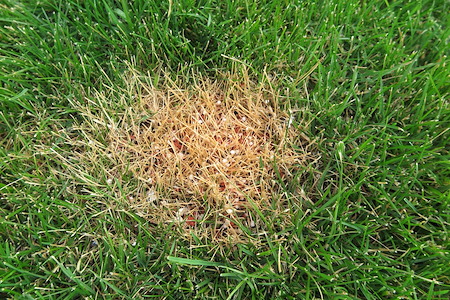
If parts of your lawn turned straw-yellow after a feeding, you are likely seeing fertilizer burn in Spartanburg, SC. It shows up fast when salts in fertilizer pull water out of the grass. Our hot, humid Upstate summers and quick afternoon downpours make timing and application even more important. This guide explains the look, the causes, and how a professional lawn treatment team brings your turf back without guesswork.
For an overview of how a carefully timed program prevents these problems, see our professional lawn fertilization plan. You can also learn more about our full lawn care services if you are building a season-long strategy.
If you want a deeper look at fertilizer burn in Spartanburg, SC and what it means for your yard, keep reading for local insights you can use to make a smart decision.
What Fertilizer Burn Looks Like In Spartanburg, SC
Fertilizer burn is not the same as drought or disease, but it can look similar at first glance. In Spartanburg neighborhoods like Converse Heights, Boiling Springs, and near Lake Bowen, we often see burn right after a feeding during a hot stretch.
- Patchy straw-yellow or bronze blades that feel dry and crunchy, often in streaks matching spreader paths.
- Bright yellow edges along sidewalks, driveways, and curb strips where granules piled up or heat reflected off concrete.
- Irregular shapes that mirror where a spreader doubled back, paused, or turned.
- Green “tiger stripes” beside lighter stripes, showing uneven coverage or overlap.
Warm-season grasses common here, like Bermuda and Zoysia in sunny yards, can show sharp, bleached-looking bands after a heavy dose. Tall fescue in shade may thin out quickly with brittle tips that snap when you run your hand across the blades.
Why Fertilizer Burn Happens On Upstate Lawns
Burn is a salt injury. When too many nutrients sit on the leaf or in the soil at once, the grass blade loses moisture. Heat and wind speed this up. Our region’s clay-heavy soils around Spartanburg hold salts near the surface if application or watering is off.
Common triggers we find on local properties include:
- High-nitrogen products applied during a heat wave or on already stressed turf.
- Uneven spreader settings that dump product at the start or end of a pass.
- Granules left on hard surfaces and then washed back onto the lawn by a pop-up storm.
- Liquid applications mixed too strong or sprayed during mid-day sun.
- Stacking feedings too close together in early summer when growth surges.
Fertilizer is helpful only at the right rate, in the right weather, with the right equipment. That is why a calibrated program matters more than brand names on the bag.
Signs Of Overfertilizing Versus Other Problems
It is easy to confuse overfertilizing with drought, grubs, or fungus. Each has a different pattern and timing. A lawn treatment specialist looks at the edges of the damage, the direction of spreader lines, and the calendar of recent feedings to tell them apart.
Here is how overfertilizing typically stands out in Spartanburg yards:
Overfertilizing shows quick color change within 24 to 72 hours of a feeding, with distinct streaks or arcs that match equipment paths. Grub damage lifts like a carpet and invites birds. Fungal issues create rings or spots that expand over days, especially after humid nights. Drought hits high spots and sunny slopes first, not turn-by-turn spreader lines.
If you see crisp, uniform bands after a recent application, assume salt stress until a pro confirms otherwise.
Watering After Fertilizing: What Homeowners Get Wrong
Water is part of every good fertilization plan, but timing and amount are not one-size-fits-all. In Spartanburg, a light irrigation right after a granular feeding can help move nutrients off the leaf surface. Yet heavy watering before a thunderstorm can float granules into edges and pile them up, which raises the burn risk along concrete and curbs.
Liquid applications are even more sensitive to sun and temperature. Mid-day sprays during a 90-degree afternoon can scorch warm-season grass blades. Application choices that ignore heat, wind, or soil moisture invite trouble. A trained technician checks the forecast, measures soil moisture, and schedules visits to fit the weather, not the other way around.
Professional Repair Steps That Work
This section explains the approach our lawn treatment team uses to address fertilizer burn. It is not a DIY checklist. Every yard, slope, sprinkler system, and grass mix in Spartanburg is different, so a pro plan protects your turf and your investment.
Our repair approach focuses on three goals: stabilize the grass, dilute surface salts, and rebuild healthy growth. Depending on what we find, your plan may include soil-focused adjustments, careful scheduling, and measured follow-up visits. We fine-tune the process for tall fescue in shaded lots and for Bermuda or Zoysia in full-sun cul-de-sacs where heat stacks up.
Once the lawn is stable, a phased feeding schedule with lighter, balanced applications helps new growth fill in thin areas. Where edges along driveways were hit hard, we target those zones with special attention, because concrete and asphalt hold heat that speeds up stress. If your turf needs ongoing nutritional support, we align future visits with our fertilization service so the same problem does not repeat.
Local insight: Late July and August in Spartanburg bring hot afternoons and pop-up storms. Quick downpours can push granules into curb lines and create bright yellow edges the next day. Planning around storm chances reduces that risk.
How Pros Prevent Fertilizer Burn In Spartanburg, SC
Prevention is smarter than recovery. A professional program lines up product type, rate, and timing with the Upstate climate and your grass type. The goal is steady color and density, not short bursts of growth that crash in the heat.
Key parts of our prevention mindset include:
- Calibrated equipment and trained techs so coverage is even from the first step to the last.
- Product selection that fits your grass mix and season, not a generic, high-nitrogen formula.
- Visits scheduled around heat spikes and storm odds, so nutrients go to roots, not sidewalks.
- Targeted attention to edges near pavement, mailbox islands, and steep slopes that shed water.
Even the best fertilizer fails if it ignores weather, soil, and grass biology. Matching all three is how you get deep green without the risk.
Risk Factors Unique To Upstate Yards
Spartanburg lawns sit on a range of clay-loam soils. They hold nutrients well, but they also keep salts close to the surface if applications stack up. Many properties combine tall fescue in shade with Bermuda or Zoysia in sun, which means the same yard can react two different ways to the same product. South-facing slopes along Highway 29 or in new subdivisions heat up faster and stay dry longer. Narrow curb strips and mailbox islands act like frying pans on bright afternoons.
Sprinkler design also affects results. Overlapping heads can push more water to corners and leave “dry triangles” in the middle. That uneven moisture turns small mistakes into visible stripes after a feeding. A professional visit checks these patterns before the next scheduled treatment.
When Brown Patches Are Not Fertilizer Burn
Brown does not always mean salt stress. Fungal issues rise after warm, humid nights and can mimic streaks. Soil compaction from parking on the lawn creates repeated, rectangular patterns that return every summer. Invisible grub feeding shows up as spongy turf that birds tear apart. Each needs a different plan, and adding more fertilizer in those cases can make the look worse.
That is why a lawn treatment pro confirms the cause first. We look at blade tips, pull cores to check roots, and review your recent application history. Once we know the true trigger, we adjust the schedule so the lawn moves forward, not sideways.
A Smart Timeline For Recovery
How long recovery takes depends on grass type, the severity of burn, and the time of year. Bermuda and Zoysia rebound best in late spring through early fall when heat drives new stolons. Tall fescue fills in during spring and early fall when nights cool down. Severe cases can require overseeding or spot renovation at the right seasonal window. The goal is steady improvement you can see week by week.
Why Choose Longleaf Turf Pros For Lawn Treatment
Longleaf Turf Pros builds every plan around Spartanburg’s weather and your yard’s conditions. You get calibrated applications, trained technicians, and scheduling that respects heat and storm patterns. We document each visit so you know what was applied and why. If you want a season-long plan that avoids the headache of overfertilizing, our team is ready to help.
Many homeowners start with a health check, then roll into a balanced program that fits their grass type. From there, we keep you updated on timing, product choice, and what to expect after each visit. If you are comparing options, browse our lawn care services to see how everything fits together across the seasons.
Ready To Protect Your Lawn From Fertilizer Burn?
If your grass shows lines, stripes, or yellow edges after a recent feeding, let a pro handle the fix. Our team will assess the damage, stabilize the turf, and set a schedule that prevents repeat issues. Start by calling 864-541-3694 or schedule a visit through our fertilization service. With the right plan and timing, your lawn can recover evenly and stay green through the Spartanburg summer.
CONTROL YOUR LAWN WITH OUR WEED CONTROL & FERTILIZATION EXPERTS IN SPARTANBURG COUNTY