Lawn Renovation vs. Routine Lawn Treatment in Spartanburg, SC: How to Decide What Your Yard Really Needs
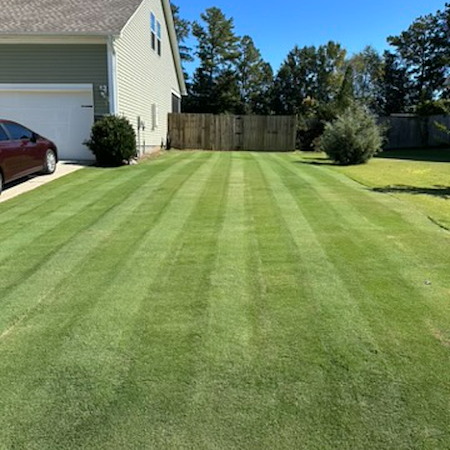
If you look across your Spartanburg lawn and see more weeds, bare soil, and thin patches than healthy grass, you might be wondering whether routine lawn treatment can turn it around or if it is time for full lawn renovation in Spartanburg, SC. This guide explains the difference, what to expect, and how Longleaf Turf Pros helps local homeowners choose the right path. For a deeper look at your options, see our lawn renovation services.
What Counts as Routine Lawn Treatment
Routine treatment keeps a lawn that is mostly healthy on the right track. It manages weeds, feeds the turf, and maintains soil health over time. In Spartanburg neighborhoods like Converse Heights, Hillbrook, and Duncan Park, this steady approach often works when grass coverage is strong and issues are minor.
Typical elements of routine treatment include seasonally timed fertilization, pre- and post-emergent weed control, soil amendments, and periodic core aeration. Overseeding may be included for cool-season lawns that are already in fair shape.
- Choose routine treatment when grass density is mostly intact and weeds are scattered, not dominant.
- It is best for addressing mild thinning after summer heat, occasional crabgrass, or light compaction from foot traffic.
Measure the damage, not the frustration. If more than half of what you see is healthy grass, routine care often restores color, thickness, and resilience without starting over.
What Lawn Renovation Really Means
Lawn renovation is a reset. It addresses widespread decline, major weed invasion, and soil problems that routine treatments cannot overcome. Renovation may include a structured plan that can involve weed removal, soil correction, aeration, leveling, and establishing fresh turf by seeding or sod, depending on the grass type and site conditions.
In Spartanburg and nearby Boiling Springs and Roebuck, lawns often face heavy clay, summer drought stress, and fungal pressure from humid nights. When these forces compound year after year, renovation becomes the practical route to a clean slate and better long-term results.
Quick Yard Check: When Routine Treatment Is Enough
Use these simple signals to lean toward routine care.
- Grass coverage is solid across most of the yard, with thin areas in less than one third of the lawn.
- Weeds show up in clusters but do not dominate entire sections.
- Soil feels firm but not hardpan; water does not pool after normal rain.
- Shade and traffic patterns are stable and not causing widespread die-off.
With these signs, consistent programs, careful timing, and patience usually bring your yard back to a fuller look without a full reset.
Signs You Need Full Lawn Renovation
Renovation is the better call when the lawn’s underlying structure is failing. Look for these red flags:
- Thin turf over 50% of the yard is a red flag. Bare soil and weak roots invite erosion and weeds faster than routine care can repair.
- Large areas of grassy weeds or sedges have overtaken the lawn, not just isolated spots.
- Soil compaction is severe. A screwdriver is very hard to push into the soil and water runs off instead of soaking in.
- Uneven grade or bumpy areas cause scalping and thin the grass every mowing cycle.
- Chronic disease or compaction rarely improves with light treatment. Recurring issues season after season suggest a reset is needed.
Homeowners in Converse Heights with mature trees or Hillbrook with clay-heavy subsoils often see patchy shade, shallow roots, and poor drainage. When these patterns cover large sections, renovation provides the best path to a uniform, durable yard.
Before-and-After Expectations for Spartanburg Lawns
Renovation is about transformation and timing. After renovation, you should expect a cleaner surface, better root contact with the soil, and a turf stand that thickens steadily with proper maintenance. The exact timeline depends on grass type and season, along with sunlight, irrigation, and traffic.
Cool-season lawns like tall fescue respond best when establishment lines up with favorable temperatures. Warm-season lawns like Bermuda and zoysia respond as weather warms and sunlight increases. In both cases, the early weeks focus on root establishment and uniform coverage, followed by visible thickening and better color.
Routine lawn treatment, on the other hand, produces steadier but less dramatic changes. Expect gradual weed decline, stronger color, and thicker turf where density already exists. If you are picturing a dramatic before-and-after, renovation is usually the route that matches that vision.
Lawn Renovation in Spartanburg, SC: Matching Approach to Grass Type
Local conditions matter as much as the service you choose. Tall fescue lawns common in tree-lined areas like Duncan Park love cooler seasons and even moisture. Bermuda and zoysia lawns found in sunnier Westside lots thrive with heat and full sun. Clay soils across Spartanburg benefit from improved structure and oxygen in the root zone, which is why renovation often includes steps that target soil health.
When we evaluate a yard, we look at sunlight hours, runoff patterns, shade from hardwoods, pet traffic, and mower habits. These clues explain why a lawn failed and which renovation steps will deliver lasting change rather than a short-lived burst of green.
Renovation vs. Maintenance: Timing, Disruption, and Results
Think of routine maintenance as a steady tune-up and renovation as rebuilding the engine. Both have a place, and the right choice depends on the condition of your turf and soil. Renovation brings faster visual change but asks for a defined recovery period and careful aftercare. Routine treatment keeps momentum with fewer restrictions, especially when the lawn is already in decent shape.
Homeowners in neighborhoods like Converse Heights and Hillbrook often choose renovation when family gatherings, curb appeal goals, or recent home projects require a big step forward. Others prefer routine treatment to refine a lawn that is mostly there, focusing on weed suppression and color.
Want to understand what a renovation plan could look like for your yard? Review our overview of lawn renovation services to see how a professional reset creates a cleaner starting point for long-term results.
How We Help You Decide With Confidence
At Longleaf Turf Pros, our first step is a site assessment. We look at turf density, weed pressure, soil structure, slope, irrigation coverage, and shade. Then we map your goals to a practical plan so your lawn not only looks better this season but holds up to Spartanburg heat, afternoon thunderstorms, and weekend foot traffic.
Here is how we frame the decision with homeowners across Spartanburg:
- If coverage is strong and weeds are manageable, a consistent routine program protects your investment.
- If decline is widespread, renovation gives you uniformity, stronger roots, and a better platform for routine care to succeed.
- Set your expectations by season and grass type. Matching the calendar to your turf produces the most reliable results.
For more regional insights on turf health and seasonal timing, browse our latest lawn care articles. You will find practical explanations of common Upstate issues without the guesswork.
Local Factors That Often Tip the Scale Toward Renovation
Spartanburg lawns face a few challenges that, when combined, usually point to renovation:
First is compaction. Red clay soils tighten under mower traffic and footpaths. Water beads up or runs off, roots struggle, and turf thins. Renovation plans often focus on creating space for roots and reshaping grade where needed to improve drainage and mowing quality.
Second is the mix of sun and shade. Tree-lined streets in neighborhoods such as Converse Heights make for beautiful yards but can limit sunlight, which reduces turf density. Renovation allows a reassessment of turf selection and coverage so the species matches actual light conditions.
Third is disease pressure during humid nights. When nights stay warm, leaf surfaces stay wet, and fungal issues can linger. Renovation helps break that cycle by improving air flow at the soil surface and reestablishing a dense, resilient stand.
What Results Look Like Over the First Year
After routine treatment, expect stronger color, gradual thickening where grass is already present, and a steady drop in visible weeds. The lawn stays usable with few restrictions. Your results improve as seasonal applications line up and soil health builds.
After renovation, the first visible change is cleanliness and uniformity. Bare and patchy areas shift to even coverage, then to thicker turf with deeper color. As roots set, mowing quality improves and the yard holds up better to summer heat and family activities. Many Spartanburg homeowners describe it as going from managing problems to enjoying their yard again.
If you are not sure which path is right, use this simple summary: routine care maintains, renovation transforms. Both work best when they are matched to real conditions on your property.
Ready To See Your Options?
If you want a side-by-side recommendation for your lawn, we are here to help. Start with a quick assessment and a clear plan from Longleaf Turf Pros. For guidance and scheduling, call 864-541-3694 or learn more about how a reset could work for your yard by visiting our page to schedule lawn renovation. If you prefer to start at the beginning, explore lawn renovation in Spartanburg, SC resources on our home page and get a feel for our approach.
When you are ready, we will match your turf type, sun exposure, and soil to a plan that makes sense for your goals and your timeline. Spartanburg lawns can thrive with the right strategy. Let’s choose the one that fits your yard best. Call now for lawn renovation in Spartanburg.
CONTROL YOUR LAWN WITH OUR WEED CONTROL & FERTILIZATION EXPERTS IN SPARTANBURG COUNTY